-

The Illusion of Knowing Your Numbers
Many people mistakenly think they understand their financial situations due to mental estimates of income and expenses, which creates a false sense of control. This illusion leads to significant discrepancies between perceived and actual financial stability. To gain true control, individuals must transition from estimation to precise measurement of income, expenses, and timing, ensuring clarity…
-

Why Your Income Calculation Is Mathematically Wrong (And How to Fix It)
Most people miscalculate their income by confusing deposits with earned income. To accurately define income, one must consider only money earned through work, ensuring it is repeatable and usable. Misinterpretations lead to distorted financial decisions, stress, and instability. Accurate income calculations establish a strong foundation for effective financial planning.
-
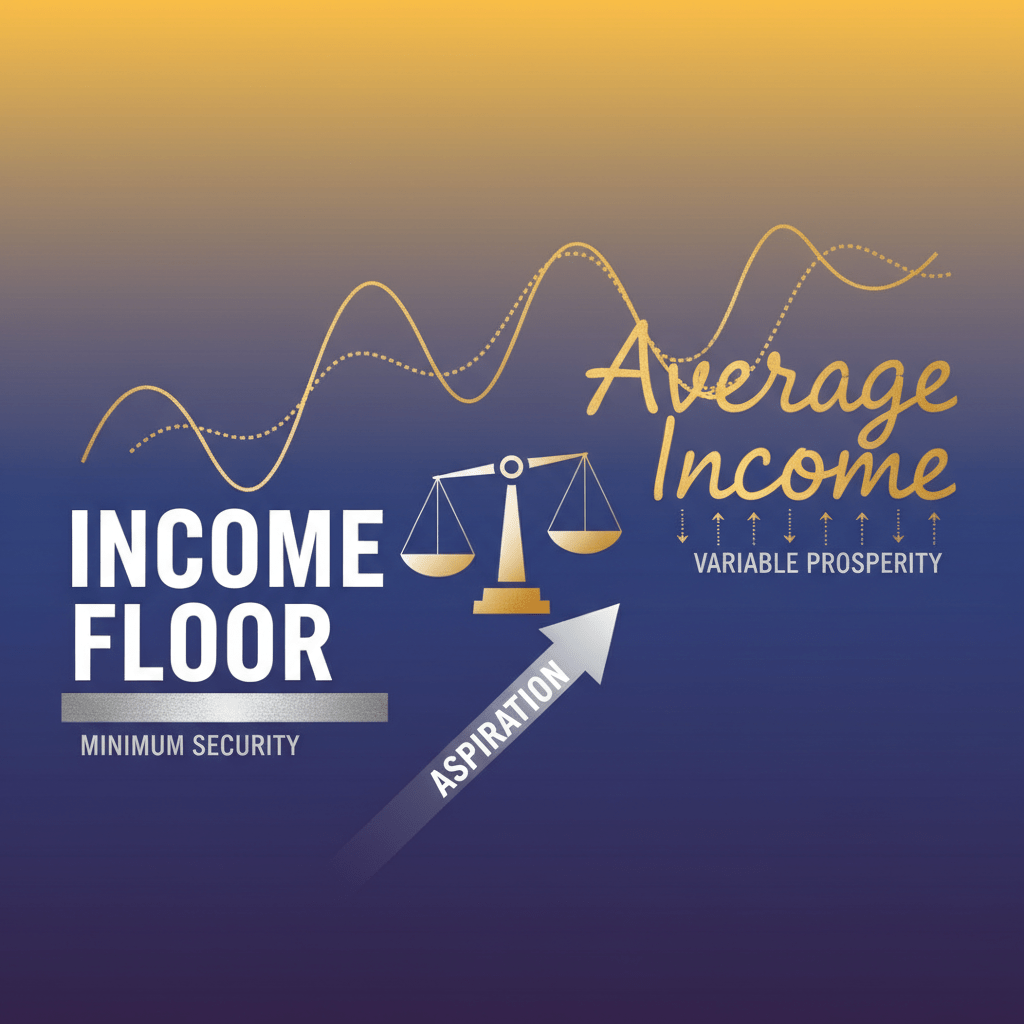
How to Identify Your Income Floor
The post emphasizes the importance of establishing an “income floor,” defined as the lowest reliable income amount one can consistently expect. Many individuals mistakenly plan around their highest income months, leading to financial instability. By identifying true earnings, removing non-reliable income, and focusing on this floor, one can create a more stable financial structure. This…
-

How to Handle Variable or Irregular Income (Build Stability Without Guessing)
The primary issue with managing variable income is not the income itself, but the lack of a financial structure. Many individuals confuse financial activity with stability, leading to poor budgeting. Establishing an “income floor,” the lowest reliable income, is essential for creating a stable financial system that works during both high and low income periods.
-

10 Spending Leaks Draining Your Income (And How to Fix Them)
Spending leaks are small recurring expenses that quietly drain your income over time. This guide explains how hidden spending patterns develop, how to identify them in your bank transactions, and how reducing these leaks can increase your financial margin, improve budgeting accuracy, and strengthen long-term financial stability.
-

The 30-Day Expense Audit
The 30 Day Expense Audit is a vital step in the Diamond Standard Baseline System, designed to accurately measure monthly spending. This audit transforms assumptions into verified totals, enabling individuals to understand their financial situation better. By categorizing and totaling expenses, users can identify recurring charges, detect leaks, and calculate their structural margin for improved…
